How to Choose the Right Home Textile for Every Room in Your House
Choosing the right home textile is essential for creating a comfortable and aesthetically pleasing environment in your home. According to the Global Home Textile Market Report, the industry is projected to reach $114.4 billion by 2024, driven by increasing consumer demand for sustainable and high-quality materials. As home textiles encompass a wide range of products, including curtains, bedding, and upholstery, understanding how to select the appropriate items for each room can greatly enhance both functionality and style.
In addition to aesthetic considerations, the practical benefits of home textiles cannot be overlooked. The right selections can provide significant benefits such as improved insulation and soundproofing, which are vital for maintaining a serene living atmosphere. Research indicates that properly chosen textiles can reduce energy costs by up to 25%, highlighting the importance of thoughtful selection. As homeowners become more discerning and focused on creating personalized spaces, the role of textiles in fostering comfort and design sophistication continues to gain recognition. By keeping industry trends and personal preferences in mind, it is possible to curate a collection of home textiles that not only enhance the beauty of each room but also contribute to a more sustainable and cost-effective home.
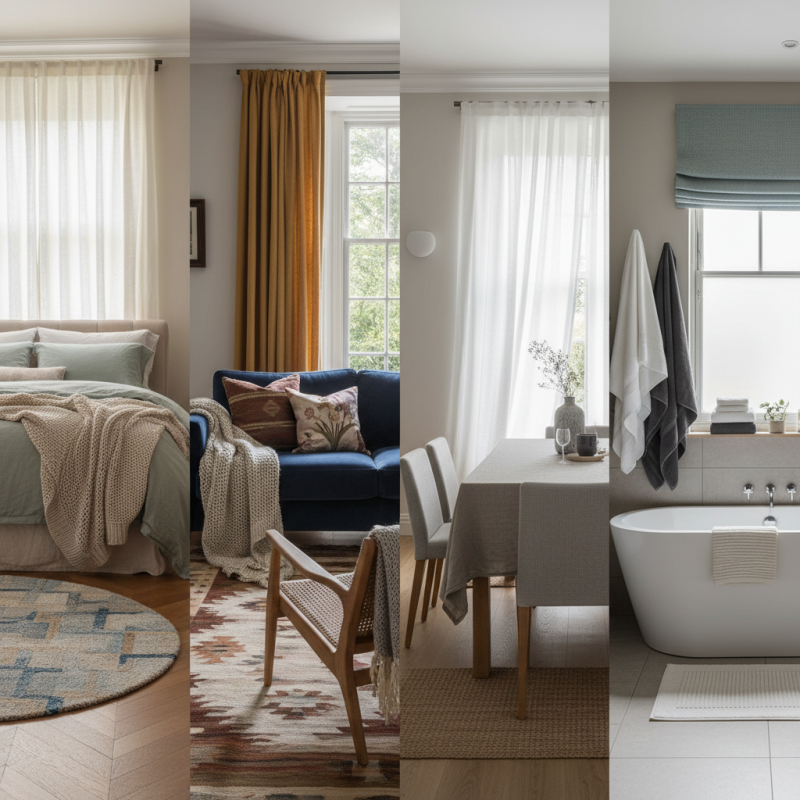
Understanding Home Textiles: Types and Functions
When selecting home textiles, it's crucial to understand the various types and their functions to create a harmonious and functional living space. Home textiles can be broadly categorized into upholstery fabrics, curtains, rugs, bed linens, and decorative pillows. Each category serves a unique purpose; for instance, upholstery fabrics not only provide comfort but also contribute to the aesthetics and durability of furniture. According to a report by Statista, the global home textile market was valued at approximately $100 billion in 2020 and is projected to grow by 4% annually, indicating a robust demand for quality textile products.
The functions of home textiles extend beyond mere decoration. They play a vital role in insulation, sound absorption, and even air quality in homes. For example, curtains and drapes can significantly reduce energy consumption by controlling heat and light. A recent study found that incorporating proper window treatments can decrease heating and cooling costs by up to 25%. Additionally, the choice of textiles can impact indoor air quality; natural fibers such as cotton and linen are often recommended for their breathability and lower emissions of volatile organic compounds, making them a healthier choice for living environments.
Assessing Room Requirements: Considerations for Each Space
When choosing home textiles for each room, it’s essential to assess the specific requirements of the space. In bedrooms, prioritize comfort and warmth. Fabrics like soft cotton or plush velvet can create a cozy atmosphere, making it easier to unwind. Additionally, consider the color scheme; soothing hues can promote relaxation, while vibrant colors can inject energy into the room.
In living areas, durability and style take precedence. Look for textiles that can withstand daily wear and tear but still reflect your personal taste. Fabrics like linen or blended materials can be both stylish and functional. Layering textiles, such as throws and cushions, can enhance the aesthetic while adding warmth during colder months.
**Tips:** Always choose textiles based on their intended use—lightweight fabrics for warm climates and heavier ones for colder seasons. Additionally, think about maintenance; opt for materials that are easy to clean and care for, especially in high-traffic areas like dining rooms or playrooms. This ensures that your home remains looking fresh and stylish without excessive effort.
Selecting Fabrics: Durability, Maintenance, and Aesthetics
When selecting the right home textiles for each room, three key factors to consider are durability, maintenance, and aesthetics. Different rooms have distinct needs; for example, living rooms often require fabrics that can withstand daily use while adding visual appeal. In contrast, bedrooms may prioritize comfort and tranquility.
Tips: For high-traffic areas, opt for materials like polyester or blended fabrics that resist stains and wear. In more serene environments such as bedrooms, cotton or linen can provide a soft, inviting touch that enhances relaxation. Always consider the color and pattern as well; lighter shades can open up a space, while darker hues can create a cozier atmosphere.
Maintenance is another critical aspect. Fabrics that are machine washable or come with stain-resistant treatments will save time and effort. Regular care can prolong the life of your home textiles and retain their beauty.
Tips: A quick way to keep your textiles looking fresh is to vacuum upholstered furniture regularly and rotate cushions to alleviate wear. Remember that the choice of fabric not only influences the look of the room but also impacts how you live in it. Balancing durability and maintenance with aesthetics will ensure a cohesive and functional design throughout your home.
How to Choose the Right Home Textile for Every Room in Your House
| Room |
Recommended Fabrics |
Durability |
Maintenance |
Aesthetics |
| Living Room |
Cotton, Linen, Velvet |
Medium to High |
Easy to Moderate |
Elegant, Cozy |
| Bedroom |
Cotton, Bamboo, Microfiber |
High |
Easy |
Soft, Inviting |
| Dining Room |
Linen, Cotton Blends, Polyester |
Medium |
Moderate |
Formal, Classy |
| Bathroom |
Microfiber, Quick-Dry Fabrics |
High |
Easy |
Fresh, Relaxing |
| Children's Room |
Cotton, Polyester |
Medium |
Easy |
Playful, Colorful |
Color Schemes and Patterns: Enhancing Room Ambiance
When selecting home textiles for each room, it’s essential to consider color schemes and patterns that enhance the overall ambiance. The right choice can significantly impact the mood, making spaces feel inviting and stylish. For a cozy living room, consider warm colors like oranges and reds, complemented by textured fabrics such as plush throws or patterned cushions. These elements create a welcoming atmosphere, perfect for gatherings and relaxation.
Tips: To accentuate the room's character, opt for coordinating patterns that complement each other. For instance, if the walls feature a geometric print, introducing solid-colored textiles with subtle textures can create visual balance. In bedrooms, soft pastels or earthy tones can evoke tranquility, while floral or abstract designs on bedding can add a touch of elegance and personality.
In dining areas, consider using bold prints or vibrant colors in table linens to energize the space. These textiles can set the tone for meals, making everyday dining feel special. Remember, layering different textiles in various patterns can add depth and interest, creating a harmonious look that reflects your personal style.
Final Touches: Accessories and Layering for Style and Comfort
When it comes to enhancing the comfort and style of your home, accessories and layering are essential elements that can transform any room. According to a recent report by the Home Textile Association, the home textiles market is projected to reach $151 billion by 2027, highlighting an increasing demand for versatile and aesthetically pleasing textiles that can elevate interior design. Layering different textures—like combining a chunky knit throw with soft linen or crisp cotton—can create a cozy atmosphere while adding visual interest. This technique not only adds depth to your decor but also caters to varying seasonal needs, allowing homeowners to adapt their spaces to changing climates effortlessly.
Incorporating accessories such as decorative cushions, stylish curtains, and area rugs can also contribute significantly to comfort. Research indicates that well-chosen textiles can reduce noise levels, improve temperature regulation, and enhance overall well-being within the home. For example, heavy drapes can block out sunlight while providing insulation, whereas lighter materials can brighten up a room and create an airy feel. The key lies in achieving a balance; using a mix of colors, patterns, and fabric types can avoid monotony and add personality to every room. Ultimately, thoughtful layering and accessory choices can turn a house into a welcoming sanctuary tailored to the preferences of its inhabitants.
How to Choose the Right Home Textile for Every Room in Your House


