How to Choose the Best Textile Weaving Machine for Your Needs?
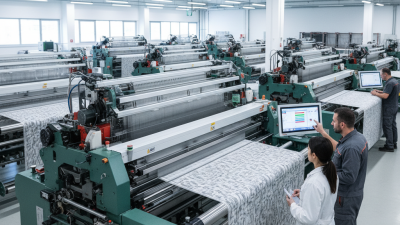
Choosing the right textile weaving machine can be a challenging task. There are many options on the market today. Each machine offers different features and capabilities. It's crucial to understand your specific needs before making a decision.
Consider your production scale. A small workshop may not require complex machinery. Meanwhile, larger operations might need advanced weaving technology. Think about the variety of fabrics you want to create. Some machines excel in weaving intricate patterns, while others focus on speed and efficiency.
Also, take into account your budget. High-quality machines come with a price tag, but they often result in long-term savings. Reflect on the maintenance costs as well. A reliable machine is an investment, but choosing poorly could lead to frequent repairs and downtime. Assess your priorities carefully, and you will find the perfect textile weaving machine for your needs.
Understanding Different Types of Textile Weaving Machines and Their Uses
When selecting a textile weaving machine, understanding various types is crucial. Shuttle looms are among the oldest types. They can create a diverse range of fabrics. However, they might be less efficient for modern production needs. Their traditional design has limitations in speed and automation.
Jet looms offer higher speeds and reduced noise. They use air or water to propel the weft yarn. This can lead to more efficient weaving operations. Yet, they demand more maintenance and operator training. Careful consideration is essential, as inefficiencies can arise if not used properly.
Rapier looms provide versatility and are user-friendly. They are suitable for a wide array of fabrics. But, they can struggle with very fine or delicate materials. Users must reflect on the kinds of textiles they wish to produce. This can guide them in making the right choice. Each machine type has its pros and cons, and understanding your specific needs is vital.
Textile Weaving Machines Comparison
Evaluating Production Capacity: Speed, Output, and Efficiency Metrics
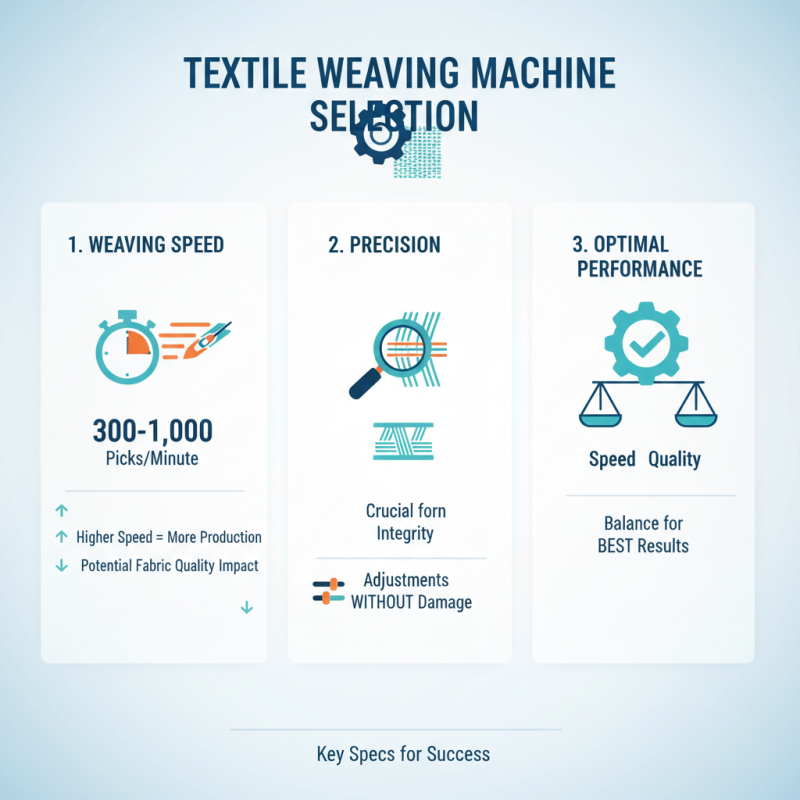
When selecting a textile weaving machine, evaluating production capacity is crucial. Speed, output, and efficiency metrics drive decision-making. A high-speed machine may seem appealing, but you must consider fabric types and patterns. Not all materials can handle rapid weaving without compromising quality. A balance between speed and fabric integrity is necessary.
Output refers to the amount of fabric produced in a given time. While a machine with high output sounds ideal, it often requires careful calibration. You may encounter issues with thread tension or pattern alignment. It's essential to test the machine with your specific materials. Adjustments might be needed to achieve optimal results. Efficiency metrics often include power consumption and maintenance frequency. An efficient machine reduces costs in the long run, but initial pricing can be deceiving.
Choosing a machine is not just about numbers. Reflect on your production needs and future goals. Maybe the latest model is not the best fit for your workshop. Assess how well a machine can adapt to various projects. Flexibility can be more beneficial than sheer speed. Take time to evaluate each option thoroughly.
How to Choose the Best Textile Weaving Machine for Your Needs?
| Machine Type |
Maximum Speed (m/min) |
Output (meters/day) |
Efficiency (%) |
Noise Level (dB) |
| Air Jet Loom |
600 |
8000 |
85 |
85 |
| Water Jet Loom |
550 |
7200 |
80 |
90 |
| Rapier Loom |
500 |
7500 |
78 |
80 |
| Jacquard Loom |
400 |
5500 |
75 |
95 |
| Sulzer Loom |
700 |
8500 |
90 |
88 |
Cost Analysis: Balancing Upfront Investment and Long-Term Benefits
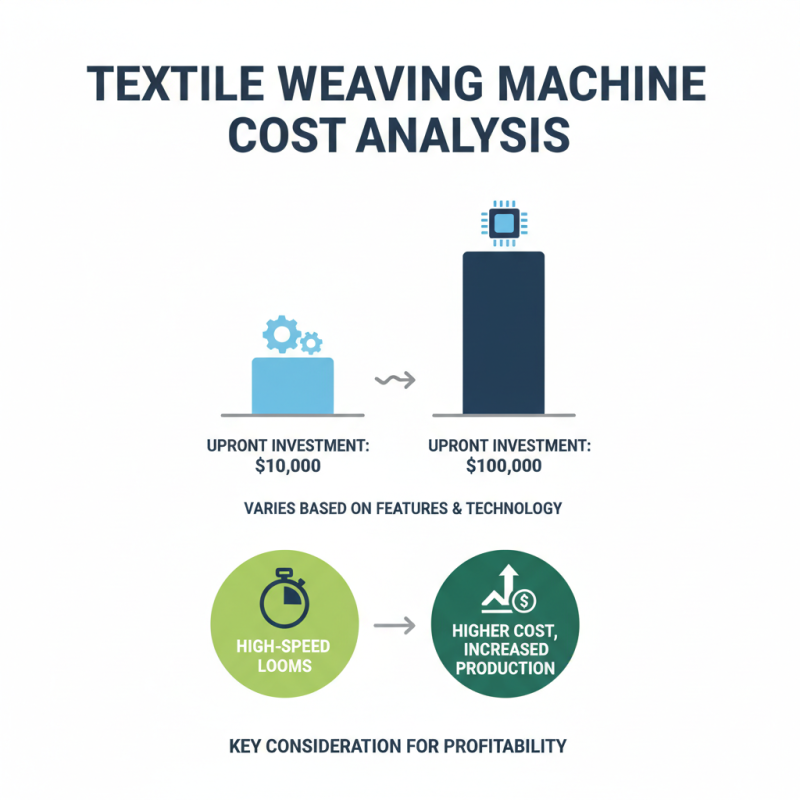
When choosing a textile weaving machine, cost analysis is vital. The upfront investment can be daunting, often ranging from $10,000 to $100,000. This variance largely depends on machine features and technology. For instance, high-speed looms may have higher costs but can significantly increase production.
Long-term benefits should not be overlooked in this analysis. According to industry reports, businesses can recover initial costs within three years through increased efficiency. Many machines operate at speeds over 1,000 meters per minute, leading to higher output. But, maintenance costs can add up. Regular upkeep is essential to avoid unexpected breakdowns.
Investing in automation is another critical aspect. Automated machines may come with a higher price tag but can reduce labor costs significantly. Realistically, you’ll face challenges like learning curves and adjustment periods. It’s important to weigh both costs and benefits carefully. Long-term performance can vary across different models. A thorough evaluation of both immediate and future needs is crucial.
Environmental and Sustainability Factors in Textile Weaving Machine Selection
When selecting a textile weaving machine, environmental and sustainability factors are crucial. A machine that minimizes waste and uses eco-friendly materials can significantly impact the planet. Look for machines designed for energy efficiency. These machines reduce electricity consumption without compromising performance. They help lower operational costs and lessen the carbon footprint.
Tip: Explore options for using recycled materials. This can enhance sustainability and reduce reliance on new resources. A machine capable of processing these materials might be a worthy investment.
It’s also important to consider water usage. Some weaving machines use less water during production. This is particularly vital in regions facing water scarcity. High-efficiency machines can lead to considerable savings.
Tip: Research the machine’s maintenance requirements. A machine with a longer lifespan can be more sustainable. Frequent replacements create more waste, so durability is key. Balancing quality and sustainability can be a challenge, but it's essential for a greener future.