How to Choose the Right Textile Fabric for Your Project?
Choosing the right textile fabric is crucial for any project. The global textile industry has seen a continuous growth rate of about 4.4% annually. In 2022, the market was valued at approximately $920 billion. With this expansion, a variety of fabric options are now available, making the selection process more complex.
When selecting the right textile fabric, several factors should be considered. Each project demands specific qualities, from durability to aesthetic appeal. According to a recent industry report, cotton is the most widely used fabric, accounting for around 30% of total consumption. Other options like polyester and linen offer unique benefits. Yet, many still struggle to discern the difference and often make hasty decisions.
Understanding the properties of textile fabric is essential. The choice impacts not just the project’s outcome but the user experience as well. Incomplete knowledge can lead to regrets. For instance, lightweight fabrics may not provide the needed support in certain applications. Each choice reflects a balance of cost, functionality, and sustainability. Selecting wisely is a task that merits careful consideration and reflection.
Understanding Fabric Types and Their Properties
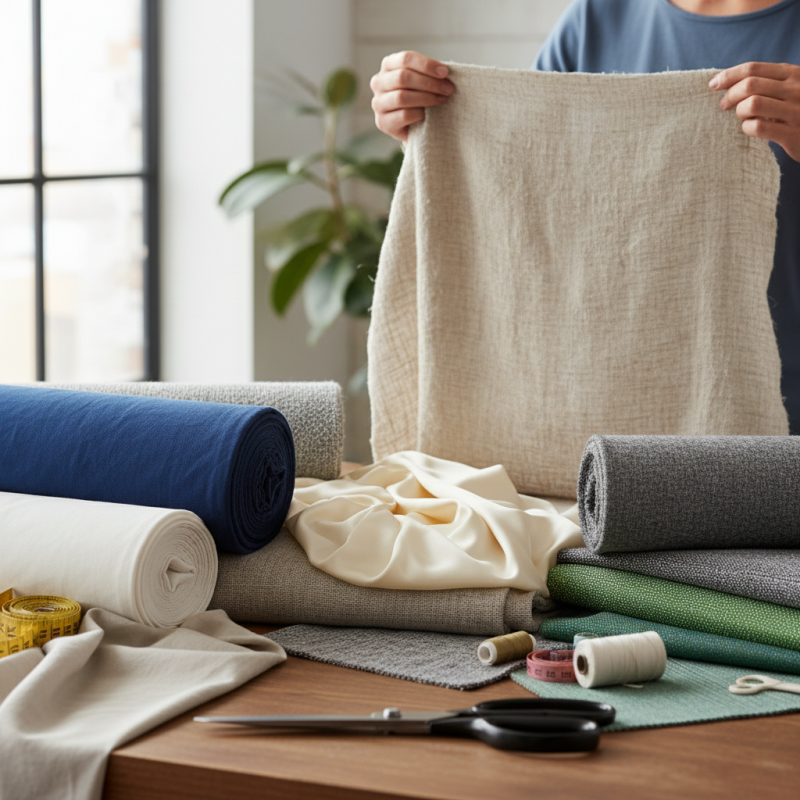
When selecting the right textile fabric for your project, understanding fabric types and their properties is essential. Each fabric has its unique characteristics. Cotton is breathable and comfortable, ideal for summer wear. However, it can wrinkle easily, which might be inconvenient for some projects. Linen is similar, with a rustic charm, but it also tends to crease.
Silk offers a luxurious feel but requires delicate care. It can be slippery, making it challenging to sew for beginners. Wool, on the other hand, provides warmth and insulation, suitable for winter garments. Remember that wool can be itchy for some people. Choosing the right fabric often involves balancing aesthetics and functionality.
**Tips:** When shopping, touch and feel the fabric. This helps you understand its texture and weight. Consider the end-use of your project. Will it be worn often? We'll also need to think about care requirements. Some fabrics require dry cleaning, while others can be machine washed. Reflecting on these aspects can save you time and effort down the line.
How to Choose the Right Textile Fabric for Your Project? - Understanding Fabric Types and Their Properties
| Fabric Type |
Properties |
Best Uses |
Care Instructions |
| Cotton |
Soft, breathable, comfortable |
Casual wear, bed linens, towels |
Machine wash, tumble dry |
| Silk |
Luxurious, smooth, lightweight |
Formal wear, scarves, pillow covers |
Dry clean only |
| Wool |
Warm, resilient, moisture-wicking |
Winter clothing, blankets, suits |
Hand wash or dry clean |
| Linen |
Breathable, durable, natural luster |
Summer wear, tablecloths, napkins |
Machine wash, iron when damp |
| Polyester |
Durable, wrinkle-resistant, quick-drying |
Activewear, upholstery, curtains |
Machine wash, tumble dry |
Identifying the Purpose of Your Textile Project
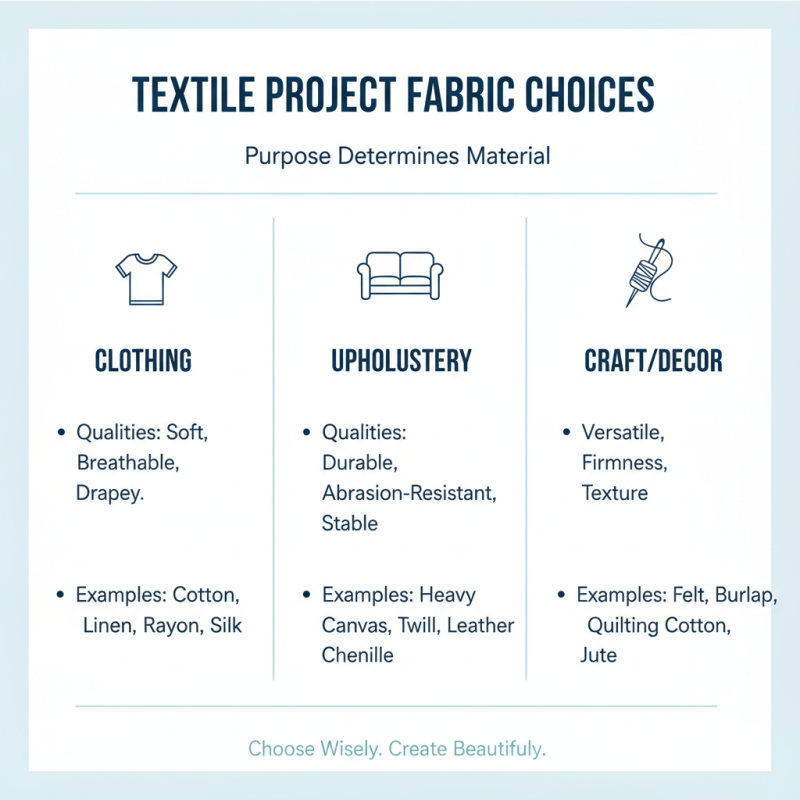
Identifying the purpose of your textile project is crucial. Consider what you want to create. Is it clothing, upholstery, or perhaps a craft? Each project requires different qualities from the fabric. For instance, clothing needs soft, breathable materials. In contrast, upholstery needs durable fabrics that can withstand wear and tear.
Think about the function of your item. A quilt needs warmth and comfort. A summer dress needs light, airy fabric. Reflect on your lifestyle too. If you have pets or kids, some fabrics may not be practical. You might choose a fabric that looks good but doesn’t last. It's important to balance aesthetics with functionality.
Moreover, consider your skills and experience level. Some fabrics are easier to work with than others. If you're a beginner, avoid anything too delicate. It can be frustrating to sew with slippery or heavy fabrics. Experimenting is part of the process, but starting simple can lead to better results. Your purpose shapes your choice, so think deeply about it.
Considering Fabric Weight and Durability
Choosing the right textile fabric can be daunting. Fabric weight plays a crucial role in your project. Lightweight fabrics are often softer and flowy. They are great for garments that need draping. Heavy fabrics, on the other hand, provide structure. Use them for upholstery or sturdy items.
Durability is equally important. Some fabrics wear out faster than others. Consider the use of the fabric. If it’s for a high-traffic area, choose something resilient. Natural fibers like cotton and wool are breathable but can fray easily. Synthetic fibers often have better durability but may feel less comfortable.
Tips: Test swatches before purchasing. Take note of how the fabric feels and behaves. Look for weaving patterns that contribute to durability. Ensure your final choice balances weight and longevity. It's okay if the perfect fabric doesn’t exist. Each choice has its trade-offs. Sometimes, you may need to compromise on one aspect for another.
Evaluating Texture and Comfort for End Use
Choosing the right textile fabric involves careful consideration of texture and comfort for your specific project. Touch is crucial; different fabrics evoke different feelings. For instance, silk is smooth and luxurious, while cotton is soft and breathable. When evaluating fabrics, think about how they will feel against the skin. Consider the environment where the fabric will be used. Will it be too hot or too cold?
When evaluating comfort, durability is also important. Some fabrics may feel great but wear out quickly. A soft fabric might not withstand heavy use. Think about your needs. Are you making clothing, upholstery, or curtains? Each purpose may require different texture attributes.
Reflect on how the fabric interacts with movement. Stretchy materials allow for freedom but might lose shape over time. Fabrics that are too stiff can be uncomfortable. Testing samples can provide insight. Remember, not every choice will be perfect. It’s okay to refine your decisions as you go. Adjust your approach based on how the fabric truly feels and performs.
Choosing the Right Textile Fabric: Texture and Comfort Evaluation
Budgeting for Fabric Selection and Sources
When budgeting for fabric selection, always consider your project's aims. The average consumer spends between $12 to $20 per yard on fabric, depending on the material type. For example, cotton is generally more affordable than silk. This price difference can affect overall costs significantly. A small project might seem manageable, but larger projects can quickly add up. It's vital to have a clear budget.
Sources for fabric vary widely. Some retailers offer discounts for bulk purchases. Industry reports indicate that up to 30% of consumers fail to compare sources before buying. This can lead to overspending. Researching online, visiting local markets, or checking fabric swatches help make informed choices. Remember, local suppliers may carry unique textiles, sometimes at lower prices.
Quality should not be sacrificed for savings. Often, cheap fabric may lead to higher costs down the line. Fabrics that wear poorly can compromise the entire project. Balancing budget constraints with quality needs reflection on what materials suit your design best. A thoughtful approach can yield both savings and satisfaction, making your project truly shine.