What Is Fiber Yarn Types Uses and Buying Guide?
Fiber Yarn is the quiet structure behind many everyday textiles. It appears in soft T-shirts, durable workwear, knitted sweaters, carpets, and technical fabrics. Yet choosing the right yarn is rarely simple. Fiber content, spinning method, thickness, twist, strength, and finishing can change the final result.
Textile scientist Dr. Subhash K. Batra has described yarn as “the basic building block of fabric.” That idea remains practical. A smooth cotton yarn can create a cool, breathable shirt. A tightly twisted polyester yarn may resist abrasion in upholstery. Blended Fiber Yarn can balance softness, stretch, drying speed, and cost. The best choice depends on the fabric’s purpose, not only its appearance.
This guide explains what Fiber Yarn means and how its main types differ. It examines natural fibers, manufactured fibers, blended options, filament yarns, and staple yarns. You will also see how yarn count, ply, twist, color, and testing affect performance. Small details matter. A rough sample may irritate skin. A weak twist may cause pilling or breakage. That said, no buying guide can predict every result. Supplier standards vary, and real-world handling sometimes reveals problems that specifications miss.
Check samples carefully. Ask for test data. Confirm fiber percentages, tolerances, certifications, minimum order quantities, and care requirements before purchasing. Price alone can mislead. A cheaper yarn may create higher production waste or a shorter product life. Good buying decisions combine technical knowledge, practical testing, and honest attention to the intended use.
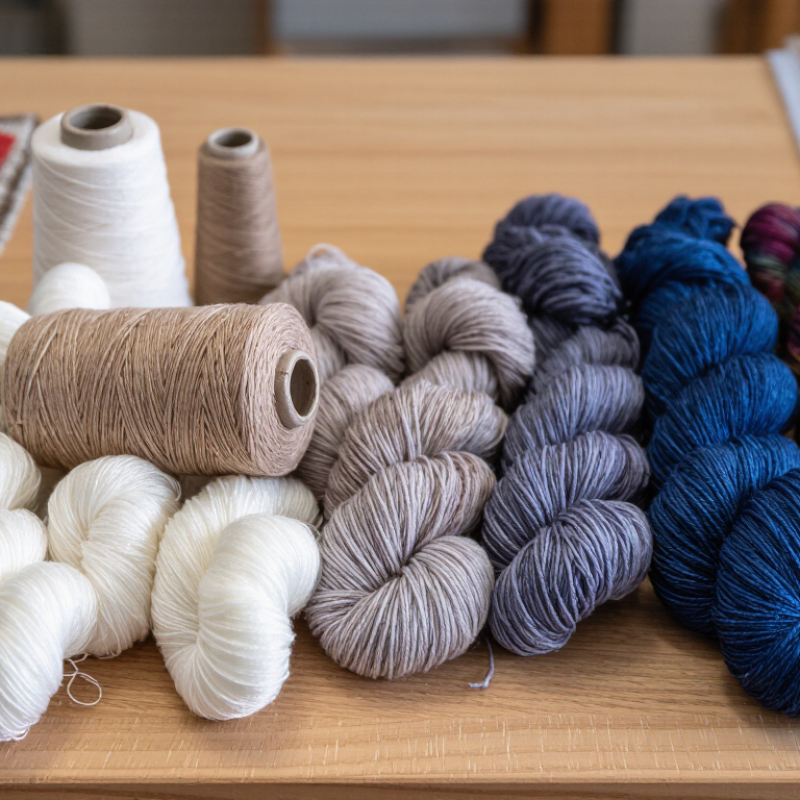
Fiber Yarn: Definition, Structure, and Key Characteristics
Fiber yarn is a continuous strand made by twisting, spinning, or joining textile fibers. The fibers may come from plants, animals, minerals, or manufactured sources. Their origin affects softness, strength, warmth, moisture control, and care requirements.
Yarn structure matters as much as fiber content. A single yarn feels smooth but may stretch or break more easily. Plied yarn combines several strands, creating better stability and a clearer stitch definition. Twist also changes performance. High twist often produces a firm, durable yarn, while low twist can feel soft and fluffy. However, low-twist yarn may pill faster. No fiber behaves perfectly. I once chose a very soft yarn for a textured project, but its loose structure blurred the pattern after washing.
Tips: Rub a short strand between your fingers. Notice its softness, spring, and surface fuzz. Pull it gently to test resilience. Check the label for fiber percentages, recommended needle size, washing instructions, and length per weight. A small sample swatch can reveal more than appearance alone. Measure it after washing, because some yarns shrink or relax noticeably.
For practical buying, match structure to the project. Firm plied yarn suits socks, baskets, and defined cables. Lofty yarn works well for lightweight scarves and warm garments. Color is important, but consistency matters too. Inspect several strands for uneven thickness, weak joins, or excessive shedding. These details are easy to overlook, especially online.
Main Types of Fiber Yarn and Their Distinct Properties
Fiber yarn is commonly divided into natural, synthetic, and regenerated cellulose types.
Natural yarns include cotton, wool, linen, and silk. Cotton feels cool, absorbs moisture, and works well in everyday clothing. Wool traps air, providing warmth and natural elasticity. Linen feels crisp and dries quickly, but it wrinkles easily. Silk offers a smooth hand and attractive drape, although it needs gentler handling.
Synthetic yarns include polyester, nylon, acrylic, and polypropylene. Polyester resists shrinking, dries fast, and holds color well.
Nylon provides strong abrasion resistance, making it useful for socks, sportswear, and technical fabrics. Acrylic imitates wool’s softness, but it may pill during repeated wear.
Textile Exchange’s Materials Market Report 2024 records global fiber production at about 124 million tonnes in 2023. Polyester represented approximately 57% of that volume, showing its dominant industrial role.
Small details matter.
Regenerated cellulose yarns, such as viscose, modal, and lyocell, begin with plant-based cellulose. They usually provide softness, breathability, and fluid drape. Their performance depends heavily on processing and finishing.
A yarn labeled “plant-based” is not automatically low-impact. The European Environment Agency reports that textile production creates significant pressure through water, energy, and chemical use.
Buyers should check fiber content, yarn twist, strength, and washing instructions. In practice, a tightly twisted cotton yarn may outlast a softer, loosely spun alternative. No fiber is perfect.
My own buying mistake was judging yarn by touch alone. Feel can mislead.
Common Uses of Fiber Yarn in Textiles and Crafting
What Is Fiber Yarn? Types, Uses, and Buying Guide
Fiber yarn connects raw materials with everyday textiles and hands-on crafts. Cotton yarn feels breathable against skin, so makers often choose it for T-shirts, dishcloths, summer blankets, and baby items. Wool yarn traps warm air, making it useful for sweaters, scarves, socks, and felted surfaces. Polyester and nylon yarns resist abrasion, supporting sportswear, carpets, upholstery, and durable bags. Blended yarns can balance softness, strength, stretch, and price.
The scale is significant.
Textile Exchange’s Materials Market Report 2024 estimates global fiber production reached about 124 million tonnes in 2023. It could approach 160 million tonnes by 2030. UNEP reports that textiles create roughly 2–8% of global greenhouse-gas emissions. These figures make fiber selection more than a color decision. Recycled content may reduce dependence on virgin resources, but performance, dyeing, transport, and end-of-life handling still matter. The label rarely tells the whole story.
For knitting or crochet, check yarn weight, twist, fiber length, and washing instructions. A tightly twisted cotton yarn creates clear stitches and firm edges. A loosely spun wool yarn gives softer texture but may pill.
I have found that swatching is essential. Small samples expose uneven tension, shrinkage, and scratchiness before a large project begins.
For clothing, test drape and skin comfort. For home textiles, test rubbing and moisture. Buying the largest affordable cone can be wasteful when the yarn behaves poorly. Better evidence comes from fiber percentages, care tests, recognized certifications, and transparent technical sheets.
How to Choose Fiber Yarn for Different Projects
Choosing fiber yarn starts with the project, not the color chart. A summer top needs airflow, moisture control, and a soft hand. Cotton, linen, and lightweight blends often suit these needs. For socks, choose wool or a wool blend with nylon-like reinforcement for warmth and durability. Stretch fibers help fitted garments, but too much stretch can distort the shape.
For sweaters, test a small swatch before buying several balls. Wool traps air and recovers well after wear. Alpaca feels warmer, yet it may stretch more than expected. Acrylic can reduce cost and simplify washing, though some fibers hold heat and pills quickly. Textile Exchange’s Materials Market Report 2024 estimates global fiber production reached about 124 million tonnes in 2023. This scale makes fiber choice a practical environmental decision, not merely a texture preference.
For bags, baskets, and home décor, choose firm yarn with strong abrasion resistance. Recycled fibers can be useful, but inspect the yarn’s twist and tensile strength. The report also projects global fiber production could approach 160 million tonnes by 2030. That growth deserves careful buying. I once selected a soft yarn for a large cardigan and underestimated its weight. The garment sagged at the shoulders. Swatching helped, but measuring drape under load would have helped more. Check fiber content, washing instructions, gauge, and dye-lot consistency. Then match those details to how the finished piece will actually be used.
What Is Fiber Yarn Types Uses and Buying Guide? - How to Choose Fiber Yarn for Different Projects
| Fiber Yarn Type | Fiber Source | Main Characteristics | Warmth & Breathability | Best Uses | Recommended Project Types | Care Level | Buying Considerations |
|---|---|---|---|---|---|---|---|
| Cotton Yarn | Natural plant fiber from cotton bolls | Soft, absorbent, smooth, low elasticity, and available in many weights | Cool and breathable; limited insulation | Summer garments, dishcloths, baby items, bags, and home décor | Amigurumi, crochet accessories, lightweight tops, towels, and placemats | Easy | Check whether the yarn may shrink; mercerized cotton is smoother and usually has increased sheen |
| Wool Yarn | Animal fiber from sheep | Elastic, resilient, insulating, warm, and naturally moisture managing | Warm and breathable; suitable for changing temperatures | Sweaters, hats, scarves, socks, blankets, and cold-weather garments | Ribbed garments, textured stitches, cables, felting, and durable accessories | Moderate | Review micron size for softness; verify whether it is superwash treated and check the label for shrinkage risks |
| Merino Wool Yarn | Fine wool from Merino sheep | Fine, soft, elastic, temperature-regulating, and less coarse than many traditional wools | Warm in cool conditions and breathable in moderate warmth | Base layers, baby garments, sweaters, hats, and next-to-skin accessories | Lightweight clothing, colorwork, cables, and smooth stockinette projects | Moderate | Compare fiber diameter, superwash treatment, yardage, and colorfastness; delicate washing may still be required |
| Alpaca Yarn | Animal fiber from alpacas | Very warm, lightweight, soft, smooth, and often less elastic than sheep wool | High warmth with good breathability | Winter sweaters, shawls, scarves, hats, and luxurious textured pieces | Loose garments, draped shawls, lace, and soft accessories | Special Care | Expect more drape and possible stretching; blends with wool can improve shape retention |
| Cashmere Yarn | Fine undercoat fiber from cashmere goats | Exceptionally soft, lightweight, warm, and luxurious | High warmth relative to its weight and naturally breathable | Scarves, sweaters, cardigans, baby garments, and refined accessories | Small luxury projects, lightweight garments, and delicate stitch patterns | Special Care | Check fiber content, ply, durability, and washing instructions; pure cashmere generally needs gentle handling |
| Silk Yarn | Natural protein fiber produced by silkworms | Smooth, lustrous, strong for its weight, excellent drape, and low elasticity | Breathable and comfortable across a broad temperature range | Shawls, scarves, lightweight tops, lace, and decorative details | Lace knitting, draped garments, crochet jewelry, and colorwork accents | Special Care | Consider slippery handling, limited stretch, possible color bleeding, and the desired level of sheen |
| Linen Yarn | Natural bast fiber from the flax plant | Strong, cool, breathable, crisp at first, and softer after repeated washing | Cool and highly breathable; not intended for warmth | Summer tops, market bags, table linens, towels, and home accessories | Openwork garments, durable household textiles, and structured bags | Easy | Allow for limited elasticity and possible initial stiffness; swatch because fabric can relax and soften over time |
| Hemp Yarn | Natural bast fiber from the hemp plant | Strong, durable, breathable, and somewhat rustic in texture | Cool and breathable with little insulation | Bags, baskets, summer garments, home textiles, and durable accessories | Structured crochet, utility items, plant holders, and textured fabric | Easy | Look for blends if a softer hand or greater flexibility is needed; test drape after washing |
| Bamboo Rayon Yarn | Regenerated cellulose made from bamboo pulp | Very soft, smooth, fluid, absorbent, and often slightly lustrous | Cool and breathable with limited insulation | Summer tops, baby clothing, shawls, scarves, and soft accessories | Draped garments, lightweight crochet, and smooth stitch patterns | Moderate | Expect low elasticity and possible stretching; check the care label and finished measurements |
| Tencel or Lyocell Yarn | Regenerated cellulose commonly produced from wood pulp | Smooth, absorbent, breathable, and known for a soft drape | Cool and breathable; low to moderate insulation | Lightweight garments, summer accessories, shawls, and blended yarn projects | Fluid tops, draped cardigans, scarves, and modern home textiles | Moderate | Swatch for stretch and drape; blends may improve elasticity and shape recovery |
| Acrylic Yarn | Synthetic polymer fiber | Lightweight, affordable, colorfast, widely available, and generally easy to wash | Moderate warmth but lower breathability than most natural fibers | Blankets, toys, beginner projects, costumes, and everyday accessories | Amigurumi, large blankets, novelty items, and machine-washable garments | Easy | Check softness, pilling resistance, heat sensitivity, and whether the yarn has a matte or shiny finish |
| Polyester Yarn | Synthetic polymer fiber | Strong, abrasion-resistant, quick-drying, and resistant to many forms of shrinkage | Low to moderate breathability; warmth depends on yarn construction | Home décor, outdoor accessories, durable toys, and novelty projects | Rugs, baskets, pet accessories, and projects requiring high wear resistance | Easy | Check heat tolerance and texture; avoid high heat because many synthetic fibers can melt or deform |
| Nylon Yarn | Synthetic polyamide fiber | Strong, lightweight, abrasion-resistant, and useful for adding durability and stretch recovery | Limited natural breathability; warmth depends on the blend and construction | Socks, reinforcement yarn, durable garments, and high-use accessories | Sock heels and toes, blended wool projects, active accessories, and lace reinforcement | Easy | Often works best in blends; check stretch, wash instructions, and resistance to friction |
| Blended Fiber Yarn | Combination of two or more natural, regenerated, or synthetic fibers | Balances properties such as softness, strength, elasticity, drape, warmth, and washability | Varies according to fiber percentages and yarn construction | Versatile garments, socks, blankets, accessories, and projects needing balanced performance | Most project types, especially when one fiber alone lacks a desired property | Moderate | Read the fiber percentages, compare care instructions, and swatch for differences in shrinkage and drape |
Fiber Yarn Buying Guide: Quality, Labels, and Value
Fiber yarn buying begins with the label, not the color. A ball marked “100% wool” identifies the main fiber, but it may not describe softness, origin, or processing. Check the fiber percentage, yarn weight, recommended needle size, care instructions, and length in meters. These details help compare two similar-looking balls accurately. “Machine washable” can be useful, though it does not always mean gentle handling.
Quality becomes clearer through touch and structure. Good yarn usually has even thickness, consistent twisting, and few loose fibers. Hold a strand against the light. Thin spots, fuzzy sections, or uneven plies may create weak stitches and a rough fabric. For clothing, test a small swatch after washing. Some yarns soften beautifully. Others stretch, pill, or lose shape. I once judged a yarn by its soft texture alone and underestimated how quickly it changed after washing.
Value is more than a low shelf price. Calculate the cost per meter and estimate the total yardage needed for your project. A cheaper ball may require extra purchases, creating different dye lots and visible color changes. Natural fibers can offer warmth and breathability, while plant fibers often feel cool and firm. Synthetic fibers may provide durability and easy care. Read the label carefully, but question broad claims. A “premium” description means little without measurable details. Buy one ball first when possible, then test its stitch definition, drape, and recovery before committing.