Why Is Textile Sustainability Important for the Future of Fashion?
The fashion industry is experiencing a pivotal shift towards textile sustainability. The recent report from the Fashion Revolution states that 92 million tons of textile waste are generated annually. This staggering figure highlights the urgent need for change in our fashion practices. Many brands are now adopting sustainable materials, but the journey is still fraught with challenges and contradictions.
Expert Mark Sumner, a professor of textile sustainability, emphasizes, "Sustainability in fashion is not just a trend, but a necessity for our planet." This statement resonates as consumers become more aware of the environmental impact of their clothing choices. Sustainable methods can reduce emissions and lower waste, yet many companies still prioritize fast fashion over ethical practices.
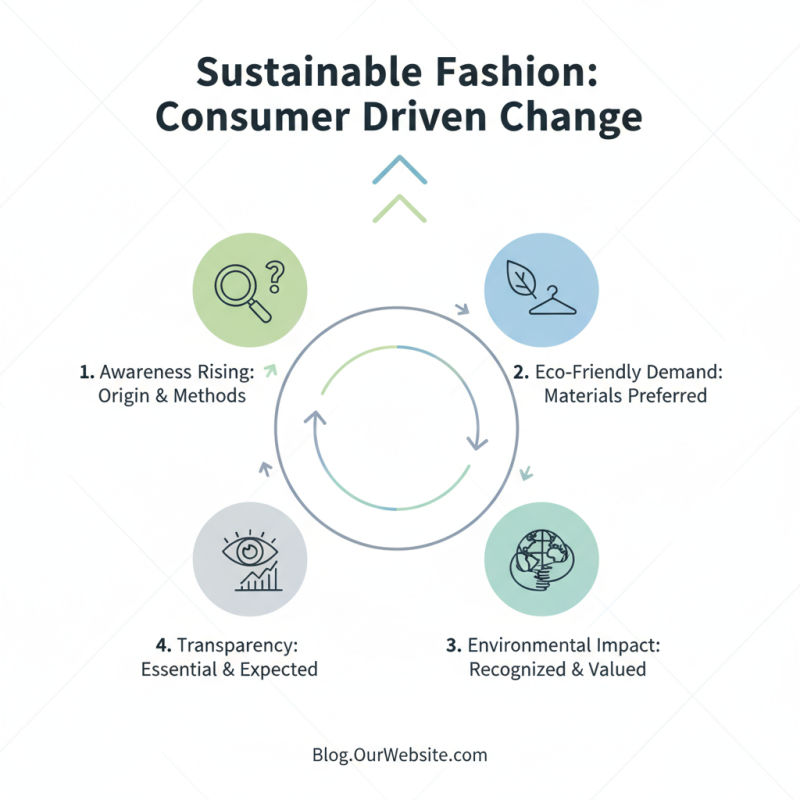
Reflecting on this, it's clear that while strides are being made, significant gaps remain. Consumer awareness is rising, yet the industry struggles to implement sustainable solutions universally. The journey towards sustainability in textiles is ongoing, and meaningful change requires commitment from all players involved.
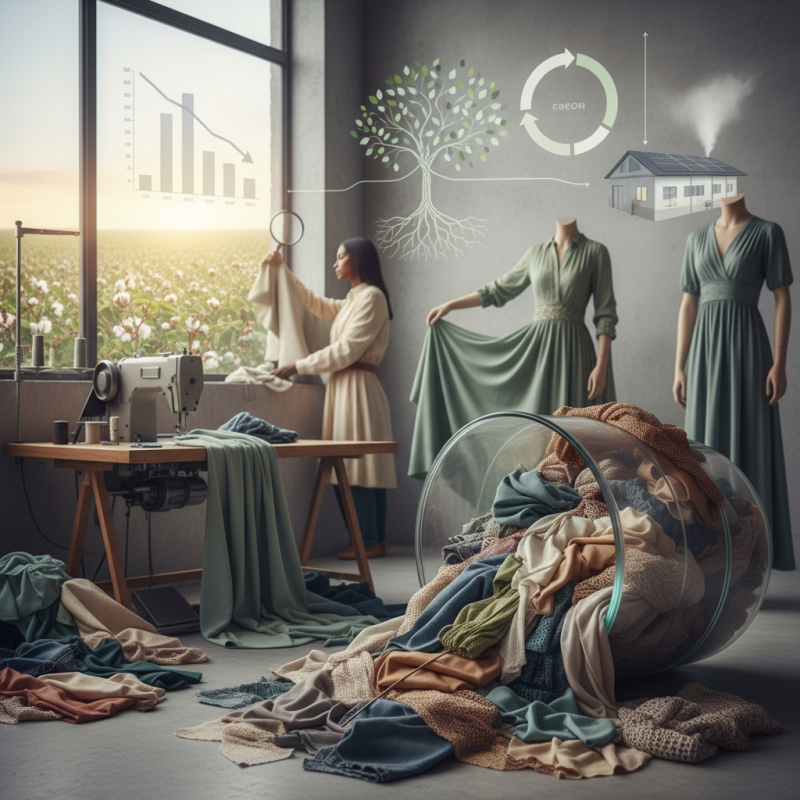
The Environmental Impact of Textile Production in the Fashion Industry
The fashion industry has a significant environmental impact due to textile production. Every year, millions of tons of textiles end up in landfills. The production processes consume enormous amounts of water and energy, contributing to pollution. Chemical dyes and treatments further exacerbate the problem. Microplastics from synthetic fabrics pollute oceans and harm marine life.
How can we reduce our impact? Choose natural and organic fabrics. They require less water and produce fewer harmful chemicals. Consider second-hand shopping. It reduces the demand for new textiles and gives garments a new life. Small changes can have big effects.
Additionally, support brands that prioritize sustainability. Look for certifications that indicate responsible practices. Educate yourself about the lifecycle of your clothing. Understanding where and how clothes are made can influence your choices. Fashion should not come at the environment's expense. Remember, every garment you buy has a story, and sometimes it’s worth questioning that story.
Global Waste and Pollution Statistics Linked to Fashion Textiles
Fashion textiles contribute significantly to global waste and pollution. Every year, millions of tons of textile waste end up in landfills. In fact, the industry generates around 92 million tons of waste annually. This enormous figure raises concerns about our consumption habits. Many people buy cheap clothing but discard it after a few uses.
Water pollution is another major issue. Textile production involves dyeing and finishing processes that often release harmful chemicals. These pollutants can contaminate rivers and oceans. The fashion industry is estimated to be responsible for 20% of global wastewater. This statistic is alarming, considering that many communities rely on these water sources for drinking and agriculture.
Furthermore, carbon emissions are a critical factor in textile production. The industry contributes more greenhouse gases than international flights and maritime shipping combined. Fast fashion exacerbates this problem, with consumers regularly buying more garments than ever before. Each piece of clothing has a hidden environmental cost. As we navigate this complex landscape, it's crucial to reflect on our choices and consider sustainable options.
Fashion Industry Environmental Impact
This chart illustrates the environmental impact of the fashion industry with respect to water usage, CO2 emissions, waste generation, and microplastic release. The data highlights the significant challenges the industry faces in terms of sustainability and the need for urgent action to mitigate its effects on the planet.
Sustainable Textile Innovations: Materials and Technologies in Use
Sustainable textile innovations are transforming the fashion industry. The global textile industry is a significant contributor to pollution. According to the World Bank, it is responsible for about 20% of global wastewater. This alarming figure highlights the urgent need for change. Innovative materials like organic cotton and Tencel are leading the way. They not only minimize chemical use but also reduce water consumption.
Emerging technologies, such as digital printing and 3D knitting, are revolutionizing textile production. Digital printing uses up to 90% less water than traditional methods. This drastic reduction can significantly lower the industry's environmental footprint. 3D knitting can reduce waste by using only the required amount of yarn. However, hurdles remain. Not all sustainable materials are affordable or widely available. The textile industry must overcome these barriers to achieve significant sustainability.
Consumer awareness is also essential. A report by McKinsey indicates that 66% of consumers are willing to pay more for sustainable products. This desire for responsible choices is growing. Brands must respond to this demand while addressing scalability and transparency issues. Fashion’s future hinges on the balance between innovation and accessibility. Sustainability is not just a trend; it is a necessity.
Economic Benefits of Transitioning to Sustainable Textile Practices
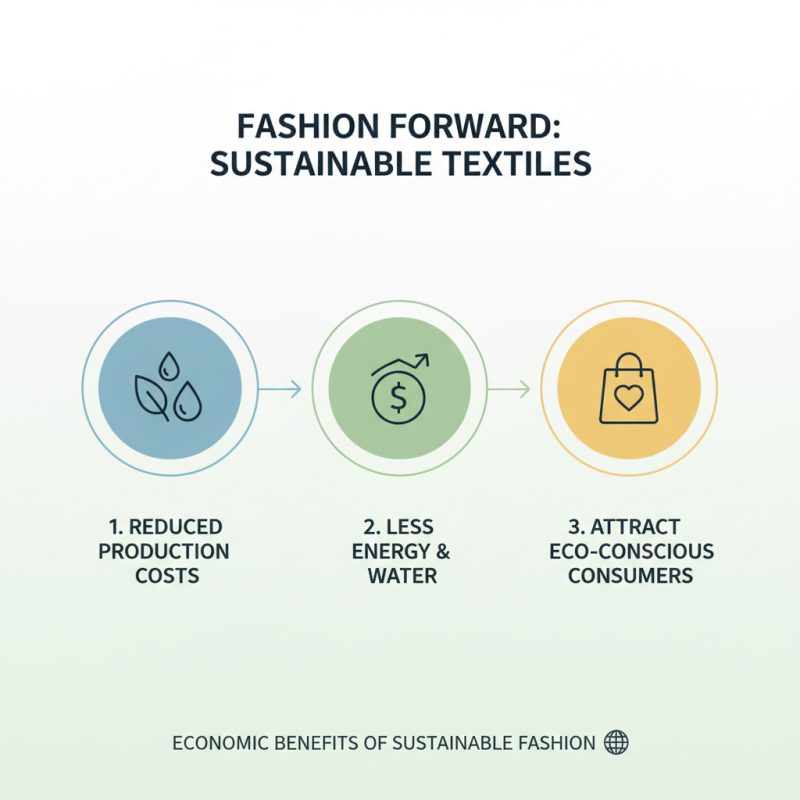
The fashion industry is under pressure to evolve. Transitioning to sustainable textile practices brings many economic benefits. Companies can reduce production costs by using eco-friendly materials. These materials often require less energy and water to produce, leading to savings. Moreover, sustainable practices can attract consumers who prioritize eco-conscious choices.
Many businesses find themselves grappling with the initial investment costs of sustainable solutions. It’s true that transitioning requires careful planning. However, long-term financial gains often outweigh these challenges. Research shows that customers are willing to pay more for sustainably produced items. With growing awareness, eco-friendly textiles can be a strong selling point.
Yet, not all companies are equipped to make this leap. Many are stuck in traditional methods. There’s a need for education and resources to facilitate this transition. Investments in training for workers could further enhance sustainable practices. As the demand for responsible fashion increases, the industry must reflect on its practices. Change is not just vital for sustainability, but also for economic viability.