Top 10 Ways to Ensure Textile Sustainability in Global Sourcing?
In the rapidly evolving world of global sourcing, textile sustainability has become a pressing concern. The fashion industry is a significant contributor to environmental degradation. Excessive waste, water pollution, and carbon emissions are issues needing urgent attention. Brands are now faced with the challenge of sourcing textiles responsibly.
Implementing sustainable practices is not just a trend, but a necessity. Companies must educate themselves on production processes and their environmental impact. Engaging with suppliers who prioritize eco-friendly materials is key. Transparent supply chains enhance accountability. Striving for ethical sourcing means going beyond compliance.
Despite the growing awareness, many are still unsure about effective strategies. There are pitfalls in misleading certifications and greenwashing claims. Genuine commitment to textile sustainability requires constant reflection and adaptation. The journey is complex, but it is essential for a more sustainable future in textiles.

Understanding the Importance of Textile Sustainability in Sourcing
Textile sustainability is crucial in global sourcing. It reflects environmental responsibility and social equity. The fashion industry significantly impacts our planet, consuming vast resources. This raises serious concerns, and sustainable practices can mitigate these effects.
Incorporating sustainable materials is a starting point. Organic cotton, linen, and recycled fabrics reduce ecological footprints. However, not every source adheres to sustainable practices. Thorough research is essential to ensure credibility. It's vital to consider the entire supply chain, from production to transport.
Collaboration with local communities empowers sustainable efforts. Many local artisans use traditional methods that have lower environmental costs. Yet, transparency in sourcing remains a challenge. Brands and consumers must demand accountability. This requires ongoing education about the implications of choices made in textile sourcing.
Top 10 Methods for Ensuring Textile Sustainability in Global Sourcing
Implementing Eco-Friendly Materials in Textile Production
In the textile industry, implementing eco-friendly materials is crucial for sustainability. Natural fibers like organic cotton and hemp offer a viable alternative to conventional materials.
These fibers reduce chemical usage and improve soil health. Recycled fibers, such as polyester made from PET bottles, demonstrate how waste can be transformed into valuable resources.
Choosing these materials can drastically cut down on carbon footprints.
However, sourcing eco-friendly materials poses challenges. Many manufacturers struggle with supply chain transparency. It's essential to ensure that these materials are sourced ethically and responsibly.
Additionally, training for workers in sustainable practices can be inconsistent. The journey toward sustainability requires ongoing education and investment in human resources.
Brands must acknowledge that while progress is being made, it is not perfect. There are still gaps in traceability and sustainability certification. Understanding these shortcomings can help in making informed decisions.
By continuously seeking improvements, the textile industry can shift towards a more sustainable future.
Establishing Fair Trade Practices in Global Supply Chains
In today's textile industry, establishing fair trade practices is crucial for ethical global sourcing. Fair trade focuses on creating equitable conditions for workers and communities. It ensures producers receive fair compensation and promotes sustainable practices. By prioritizing transparency, companies can hold themselves accountable for their sourcing decisions.
Supporting local artisans is another key aspect. Many communities depend on textile production for their livelihoods. When brands source ethically, they help preserve traditional techniques and empower communities. This creates a cycle of sustainability that benefits everyone involved. However, not all brands successfully implement fair trade practices. There is often a gap between intention and execution, leading to fair trade claims that lack substance.
Building strong relationships with suppliers can enhance transparency. Companies need to engage directly with producers, understanding their challenges and needs. This human connection fosters trust and lays the groundwork for genuine partnerships. Regular audits are also necessary. They help identify areas needing improvement and ensure compliance with fair trade standards. While progress is being made, the path to truly fair practices needs constant reflection and adjustment.
Prioritizing Water and Energy Efficiency in Manufacturing Processes
Water and energy efficiency are critical in achieving textile sustainability. The fashion industry is one of the most voracious consumers of these resources. Reports reveal that producing a typical cotton t-shirt consumes about 2,700 liters of water. This staggering figure highlights the need for innovative solutions in manufacturing processes.
One effective step is adopting advanced technologies like waterless dyeing. These methods can reduce water usage by up to 90%. Additionally, using renewable energy sources in manufacturing facilities can significantly cut carbon footprints. Data shows that switching to solar power can decrease energy costs by 30% and improve operational efficiency.
Tips for manufacturers include investing in smart water management systems. These systems track usage and minimize waste. Regular training for employees about energy-saving practices can lead to substantial reductions in consumption. Reflecting on past practices, many companies still rely on outdated processes, which heightens resource depletion. Embracing change is essential for sustainable growth in the industry.
Top 10 Ways to Ensure Textile Sustainability in Global Sourcing
| Sustainability Strategy |
Water Efficiency |
Energy Efficiency |
Carbon Footprint Reduction |
Supply Chain Transparency |
| Use of Recycled Materials |
20% less water used |
15% energy savings |
Lower emissions by 10% |
Clear reporting standards |
| Investment in Water Treatment Technologies |
75% water reclamation |
20% energy reduction |
30% reduction in emissions |
Documented supplier audits |
| Adoption of Sustainable Practices |
15% decrease in water use |
10% energy efficiency |
Reduce carbon by 5% |
Regular compliance checks |
| Engagement with Local Communities |
25% improvement in local water systems |
15% enhanced energy use |
Carbon offset initiatives |
Stakeholder engagement |
| Collaboration with NGOs |
10% water use savings |
10% energy conservation |
Support for renewable energy |
Transparent NGO partnerships |
Creating a Circular Economy through Recycling and Upcycling in Textiles
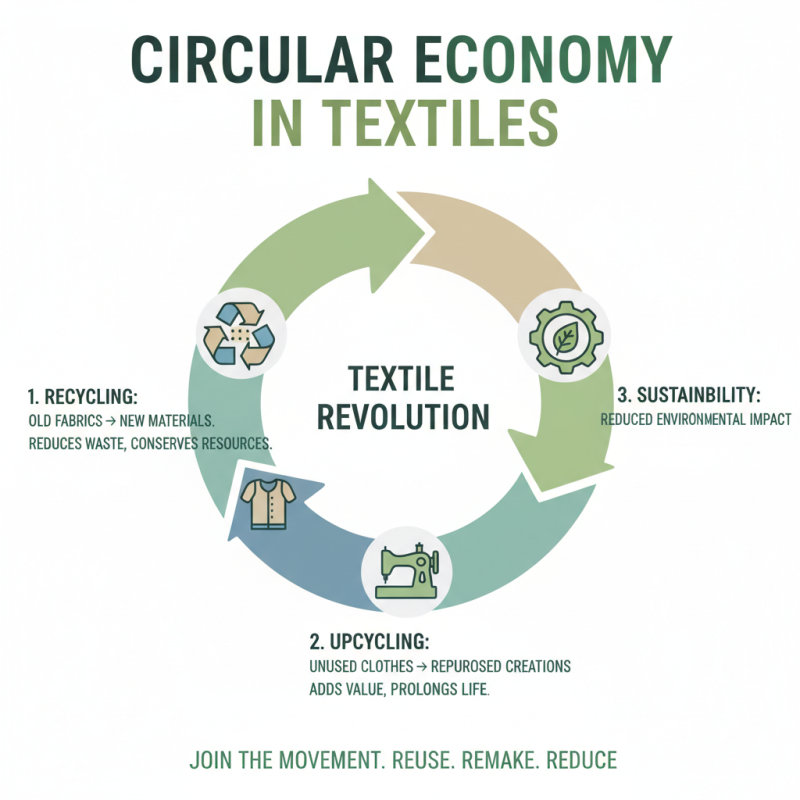
Creating a circular economy in textiles is essential for sustainability. Recycling and upcycling are at the forefront of this movement. When old fabrics are recycled, they can be transformed into new materials. This process reduces waste and conserves resources. Upcycling takes this idea further. Instead of discarding unused clothes, they are creatively repurposed. This adds unique value and prolongs the life of fabrics.
Many consumers are not aware of the impact of textile waste. In reality, millions of tons end up in landfills each year. This statistic is alarming and prompts questions about our consumption habits. Schools and community workshops now promote DIY projects. These initiatives inspire individuals to think differently about their wardrobe. By participating in craft projects, people learn the importance of reimagining what they already own.
However, challenges remain. Not everyone has access to recycling facilities. Some regions lack the infrastructure for effective waste management. These issues highlight the need for systemic change. Education around textile sustainability is critical. The journey toward a circular economy in textiles is ongoing, requiring collaboration across sectors. It’s a reminder that every small effort contributes to a larger goal. Together, we can build a sustainable future in the world of textiles.