How to Find Top Cloth Weaving Manufacturers in China?
Finding reliable cloth weaving manufacturers in China requires more than comparing online catalogs or choosing the lowest quotation. A strong supplier should combine suitable looms, stable raw-material sourcing, consistent quality control, and clear communication. The right partner must also understand your fabric requirements, including fiber content, width, weight, texture, colorfastness, and finishing standards.
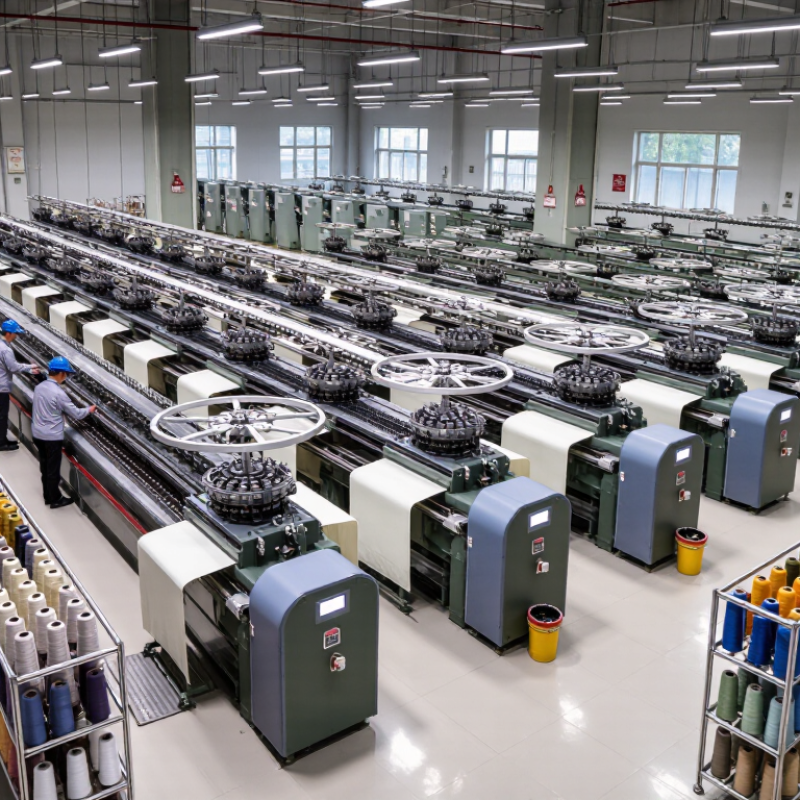
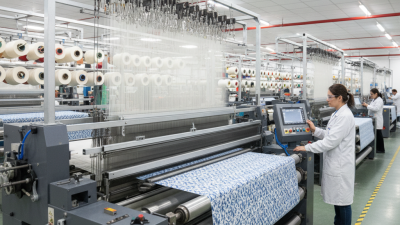
Look beyond polished websites. Request factory photographs, production videos, product samples, and recent quality records. If possible, visit the facility or arrange an independent audit. Observe the weaving floor closely. Are machines maintained? Are yarns labeled? Do workers record defects and downtime? These small details often reveal more than a sales presentation.
Ask about minimum order quantities, lead times, sampling fees, inspection procedures, and production capacity. Confirm whether the manufacturer can provide relevant certifications and legally compliant business documentation. A dependable supplier should explain limitations honestly, not promise everything immediately. That matters.
Your first sample may look excellent but fail after washing or prolonged use. Test it before approving bulk production. Compare several suppliers using the same technical specifications, not vague descriptions such as “premium quality.” Price remains important, but hidden costs can include rework, delayed shipments, weak packaging, or inconsistent dye lots.
There is no perfect factory. Even experienced buyers can overlook communication gaps or seasonal capacity changes. A careful sourcing process reduces these risks. By checking technical capability, factory reliability, compliance practices, and long-term responsiveness, you can build a more informed shortlist of China’s top cloth weaving manufacturers.
Define Your Cloth Weaving Manufacturing Requirements
Before contacting Chinese cloth weaving manufacturers, turn your product idea into measurable requirements. Specify fiber content, yarn count, weave structure, fabric width, weight, color, finish, and acceptable shrinkage. A buyer should also state the end use, such as shirts, upholstery, or technical covers. These uses require different abrasion, tear, and colorfastness targets.
Small details matter. A 150-centimeter finished width may require a wider loom setup. A 220 GSM fabric may still vary between batches. Define tolerances, inspection methods, sampling stages, minimum order quantity, packaging, and delivery windows. Ask for loom types, production capacity, quality records, and laboratory test reports. According to Textile Exchange’s Materials Market Report 2024, global fiber production reached about 124 million tonnes in 2023 and could approach 160 million tonnes by 2030. This growth makes material traceability and consistent specifications increasingly important.
Do not rely on attractive samples alone. Test three separate production lots when possible. Compare GSM, width, pilling, shrinkage, and shade under controlled lighting. Request documented corrective-action procedures for defects. ISO textile testing methods can improve consistency, but they do not replace practical inspection. A perfect specification is rarely perfect. I have seen buyers overdefine color while ignoring seam slippage or washing behavior. Leave room for revision after pilot production. Clear requirements help you identify manufacturers with suitable equipment, honest capacity, and reliable quality controls.
Research China’s Main Textile Manufacturing Regions
How to Find Top Cloth Weaving Manufacturers in China?
Finding reliable cloth weaving manufacturers begins with China’s main textile regions. Zhejiang, especially Shaoxing and Keqiao, is known for woven fabrics, dyeing services, and broad material choices. The area suits buyers comparing polyester, cotton blends, and printed textiles. Jiangsu, including Suzhou and Nantong, offers strong technical production and home-textile capabilities. Scale matters here. Guangdong’s Foshan and Zhongshan are useful for functional fabrics and fast domestic supply chains. Fujian’s Shishi region is another practical option for apparel fabrics and garment-linked production.
Regional knowledge can shorten the search. During a factory visit, check the weaving floor, machine maintenance, and fabric storage conditions. Ask how the manufacturer controls yarn tension, width, shrinkage, and color consistency. Request recent test reports and production samples from the same machine line. Do not rely on showroom samples alone. A clean sample room proves little if bulk inspection is weak. Compare defect records, inspection procedures, minimum order quantities, and delivery performance.
A strong shortlist should include manufacturers with export experience, clear material traceability, and documented quality systems. However, regional reputation is not proof of individual reliability. That assumption can fail. A smaller factory may offer closer supervision, while a large facility may provide better capacity and backup equipment. Buyers should evaluate both. Keep notes from each visit, including unanswered questions and visible weaknesses. Those details often matter more than polished presentations when selecting a long-term weaving partner.
How to Find Top Cloth Weaving Manufacturers in China?
China’s textile manufacturing base is concentrated in several regional clusters. Export scale can be used as an initial indicator when researching cloth weaving suppliers, while product specialization and production capabilities should be verified separately.
Regional textile and apparel export values, 2023, rounded estimates in US$ billions. Source: China Customs trade statistics compiled by the China National Textile and Apparel Council.
Evaluate Manufacturers’ Equipment, Skills, and Production Capacity
How to Find Top Cloth Weaving Manufacturers in China?
A reliable manufacturer should prove its capability on the factory floor, not only in a sales presentation. Inspect looms, warping machines, sizing units, inspection frames, and spare-part storage. ITMF’s 2023 International Textile Machinery Shipment Statistics recorded about 82,000 shuttle-less looms shipped worldwide. This figure shows strong modernization, but newer equipment does not automatically ensure stable fabric quality.
Ask for machine ages, operating speeds, maintenance records, and utilization rates. Watch one production order from yarn preparation to final inspection. Skilled technicians should explain tension control, density adjustment, and defect handling without avoiding technical questions. Request sample rolls with different weights and weave structures. Check selvage neatness, color consistency, broken ends, and shrinkage after washing. Small flaws matter.
Capacity claims require evidence. Compare monthly output with the number of active looms, working shifts, and average order size. A factory quoting huge capacity may count idle machines. That is easy to miss. The International Textile Machinery Federation’s data can benchmark equipment trends, while Textile Exchange’s Materials Market Report 2024 estimated global fiber production at 124 million tonnes in 2023. Rising material demand makes dependable scheduling more important. Still, I would not trust any report alone. Review three recent production records, confirm laboratory testing, and speak with a current customer when possible. A clean showroom helps, but process discipline matters more.
How to Find Top Cloth Weaving Manufacturers in China? - Evaluate Manufacturers’ Equipment, Skills, and Production Capacity
Practical evaluation scorecard based on measurable production, technical, quality-control, and capacity indicators. Request documentary evidence and verify the figures during an on-site or video audit.
| Evaluation Dimension | Evidence to Request | Reliable Benchmark for a Qualified Supplier | Suggested Weight | Recommended Rating Standard | Priority |
|---|---|---|---|---|---|
| Loom Equipment | Equipment list, machine photographs, maintenance records, and production-floor video. | Modern shuttleless looms such as rapier, air-jet, or water-jet models, with clear machine specifications and documented preventive maintenance. | 15% | 5 = Modern, well-maintained fleet 3 = Mixed-age fleet 1 = Outdated or undocumented |
High |
| Fabric Width Capability | Technical datasheets, fabric samples, and recent production orders showing finished width. | Common industrial weaving widths of approximately 1.5–3.6 meters, with stable control of finished width after finishing. | 8% | 5 = Matches specification consistently 3 = Limited width range 1 = Cannot meet required width |
High |
| Production Speed and Efficiency | Machine operating reports, efficiency records, and output data from the previous three to six months. | Consistent operating efficiency commonly above 85% for stable styles, subject to yarn type, weave structure, and fabric density. | 10% | 5 = Above 90% efficiency 3 = 80–90% efficiency 1 = Below 80% or no records |
High |
| Yarn and Weave Expertise | Technical profiles, sample books, loom-setting records, and examples using cotton, polyester, viscose, linen, or blended yarns. | Demonstrated experience with the required fiber composition, yarn count, weave structure, density, and finishing requirements. | 12% | 5 = Strong experience with the target construction 3 = General experience 1 = Relies on subcontracting |
High |
| Skilled Technical Personnel | Organizational chart, operator training records, technician experience, and shift supervision procedures. | Dedicated technicians for warping, sizing, weaving, inspection, and maintenance, supported by documented training and shift coverage. | 10% | 5 = Experienced in-house team 3 = Adequate but partially outsourced 1 = Limited technical support |
High |
| Monthly Production Capacity | Capacity calculation, loom count, shift schedule, utility records, and recent monthly output reports. | Capacity should exceed the buyer’s forecast by at least 20–30% to accommodate sampling, maintenance, seasonal peaks, and rejected fabric. | 12% | 5 = More than 30% spare capacity 3 = 10–30% spare capacity 1 = Fully loaded or unclear |
High |
| Quality Inspection System | Four-point inspection records, greige-fabric reports, defect classification standards, calibration records, and corrective-action reports. | In-line and final inspection, documented defect grading, traceable batch records, and calibrated testing equipment for weight, width, strength, and shrinkage. | 12% | 5 = Fully documented and traceable 3 = Basic inspection only 1 = Informal visual checking |
High |
| Sampling and Product Development | Sample lead-time records, laboratory reports, prototype history, and approval workflow. | Ability to provide construction samples, color or finish trials, and test results before bulk production, usually within 7–15 working days for standard developments. | 8% | 5 = Fast, repeatable development process 3 = Standard sampling capability 1 = No dedicated development support |
Medium |
| Delivery and Production Planning | Production planning software or spreadsheets, order-tracking records, on-time delivery history, and contingency procedures. | Clear capacity planning, raw-material reservation, milestone tracking, and documented corrective action for delays or material shortages. | 7% | 5 = Strong on-time performance 3 = Occasional delays 1 = No reliable production schedule |
Medium |
| Compliance and Traceability | Valid management-system certificates, restricted-substance test reports, material traceability records, and social-compliance documentation. | Batch-level traceability from yarn receipt to finished fabric, supported by current third-party test reports relevant to the destination market. | 6% | 5 = Current, verifiable documentation 3 = Partial documentation 1 = Unverified claims |
Medium |
Evaluation method: multiply each criterion rating by its suggested weight, then compare suppliers using the same sample specification, testing method, delivery target, and audit checklist. Capacity figures should be verified against actual loom availability rather than stated maximum output.
Verify Quality Standards, Certifications, and Sample Results
How to Find Top Cloth Weaving Manufacturers in China?
A reliable supplier should show more than attractive fabric samples. Request current certificates, then verify them with the issuing organization. Check the certificate number, factory address, covered products, audit scope, and expiration date.
ISO 9001 supports quality management, while ISO 14001 addresses environmental management. OEKO-TEX Standard 100 can help verify harmful-substance testing. However, certificates are evidence, not proof of daily consistency.
Textile Exchange reported that global fiber production reached about 124 million tonnes in 2023. This scale increases the importance of traceability and material verification.
Ask manufacturers for production records, fiber-content reports, and batch identification. For recycled fabrics, review applicable chain-of-custody documents. Do not accept a copied PDF without checking its source.
Sample testing must match the final purchasing risk. Measure GSM, width, shrinkage, tensile strength, pilling, and colorfastness after washing. Request test results from an independent laboratory when possible. Compare the report with your approved sample.
A small shade difference may become obvious across thousands of meters.
It happens.
Repeat testing after bulk production, especially when yarns or finishing chemicals change. A factory may pass one sample and still miss the agreed tolerance later.
My practical preference is simple: approve the sample, record measurable limits, and inspect the first production batch before shipment.
Compare Pricing, Communication, Lead Times, and Contracts
How to Find Top Cloth Weaving Manufacturers in China?
Price comparisons should begin with the same specification sheet. Include fiber content, yarn count, width, weight, color standard, and finishing requirements. A cheap quote may exclude setup fees, testing, packaging, or export documentation. Request a line-by-line quotation. It reveals hidden differences. During supplier evaluations, ask for a sample made with the proposed yarn, not a showroom substitute. My early mistake was comparing prices before checking fabric weight. The cheapest offer became expensive after repeated quality corrections.
Communication deserves practical testing. Send technical questions about shrinkage, colorfastness, and edge stability. Measure response time and accuracy, not just politeness. A reliable manufacturer confirms unclear points with written details. Video calls can show looms, inspection tables, and fabric storage areas. However, a factory tour is not proof of consistent production. Request recent inspection records and production photos with dates. Keep every revision in one shared document. Small misunderstandings grow quickly.
Lead times should separate sampling, raw material preparation, weaving, dyeing, inspection, and packing. Ask for a production schedule with milestone dates. Allow extra time before seasonal shipping periods. Contracts need clear tolerances for width, weight, color difference, defects, payment stages, and remedies. Define approval procedures before bulk production starts. Include rules for delayed delivery and rejected fabric. Local legal review is sensible. Some buyers focus too heavily on penalties, while ignoring inspection access. That balance needs more thought. A dependable agreement protects both sides and leaves fewer assumptions.
Related Posts
-
What Is the Best Textile Weaving Machine in China?
-
What Is Textile Weaving and How Does It Work?
-
Top 10 Textile Weaving Manufacturers for Global Buyers
-

2026 Top Weaving Machine Innovations and Trends to Watch?
-
How to Choose the Right Weaving Machine for Your Textile Projects?
-
What is a Loom Weaving Machine and How Does It Work?